Stump Removal & Grinding and Soil Preparation for Replanting
A tree can be gone in an afternoon, yet the stump it leaves behind can shape that part of the landscape for years. I have seen homeowners spend good money on a replacement tree, only to plant it into compacted, wood-heavy soil beside a half-rotted stump and wonder why the new tree never really takes off. The old root flare sinks, mushrooms appear after rain, mower blades catch on buried roots, and the planting bed stays wetter or drier than expected depending on the season. The real work often starts after the trunk hits the ground.
Stump Removal & Grinding sits at the crossroads of aesthetics, safety, and horticulture. If the site will be left as lawn, the goal is usually clean grade and minimal disturbance. If the plan is replanting, the standard changes. Then the question is not simply how to make the stump disappear. It becomes how to rebuild a healthy rooting environment without creating drainage problems, nutrient lock-up, or future settling.
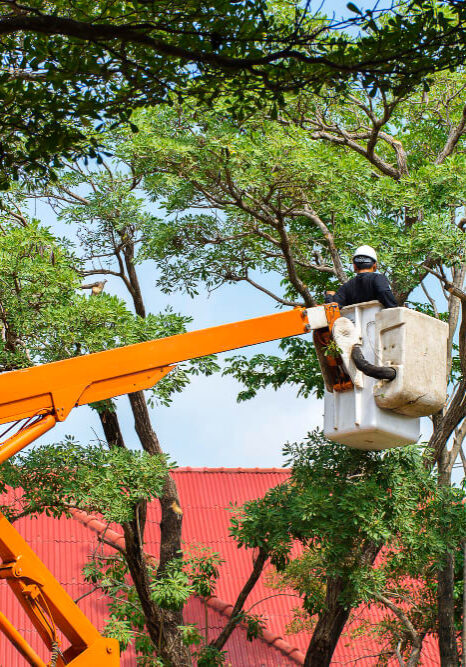
That is where experience matters. A site that held a diseased maple demands different handling than one that held a storm-felled oak. A stump near a retaining wall, septic line, or irrigation main calls for more judgment than a stump in the middle of an open yard. Good tree work is never one-size-fits-all, which is why the best Tree Removal Services look beyond the cut and consider what the ground needs next.
What stump grinding actually does
Most people use “stump removal” and “stump grinding” interchangeably, but they are not the same service. Grinding uses a machine with a cutting wheel to chew the stump Ace Tree Services Ltd. Emergency Tree Services into wood chips below grade. Complete removal extracts the stump and major roots, often with an excavator or similar equipment, leaving a much larger hole and more site disturbance.
Grinding is more common in residential settings because it is faster, usually less disruptive to nearby hardscape, and easier to control around utilities and fences. A standard lawn-grade grind might reach 6 to 12 inches below surrounding grade. If the area is being replanted, that depth may not be sufficient on its own. The old buttress roots can still occupy valuable root zone, and the cavity may be filled with fresh chips that rob nitrogen from the upper soil profile as they decompose.
Full extraction has its place. I have recommended it where construction was planned, where a patio or foundation extension was going in, or where aggressive roots from certain species created ongoing heaving problems. It is also sometimes the better choice after Dangerous Tree Assessment and Removal identifies structural root plate failure or severe decay extending into major roots. Still, extraction is not automatically superior. It can wreck grade, compact surrounding soil with heavy equipment, and damage the roots of neighboring trees that ought to remain.
The right method depends on the next use of the site, the species removed, equipment access, and what lies underground.
Why old roots matter more than most people expect
When a tree is cut down, the visible trunk disappears, but much of the root system remains. Those roots do not “keep growing” in the normal sense after the tree is gone, but they do persist, decay, and alter the soil for a long time. Large woody roots can remain firm for several years, especially in dry soils or with rot-resistant species. Smaller roots break down sooner and leave channels that sometimes improve aeration, but larger roots can create voids and settlement.
That is why a yard can look level right after the work and then dip in one section two years later. The chips and backfill settled into spaces left by decayed roots. If a replacement tree was planted too close, its root flare may end up low, and that invites chronic stress.
Old roots can also interfere with excavation. I remember a small backyard where the owner wanted a flowering cherry planted exactly where a silver maple had been removed. The stump had been ground, but several large lateral roots still radiated through the bed just under the soil. We could have forced a smaller planting hole into the available gaps, but that would have produced a confined, awkward root environment. We shifted the new tree about eight feet off center, improved a broader area of soil, and the tree established cleanly. Three years later it had better canopy density than similar cherries planted into tighter pits nearby.
The lesson is simple. A fresh planting spot should be selected for root function, not symmetry alone.
When grinding is enough, and when it is not
If the stump sits in open lawn and no immediate replanting is planned, grinding is often the practical answer. The operator reduces the stump below grade, manages the chips, and restores the surface. For many clients, that is all they need. The hazards go away, mowing gets easier, and the space looks finished.
If replanting is planned, the conversation gets more specific. The ideal is not to drop a new tree directly into the center of the old stump zone. Planting in the exact footprint of a removed tree often means working through chip-rich material, partially decayed wood, and inconsistent moisture. A slight offset is usually better, even if only by several feet. This matters even more with large species that once occupied a wide root plate.
There are also cases where the stump itself is not the only concern. Emergency Tree Services after storms often leave behind torn roots, uplifted soil, and hidden instability. In those situations, the cleanup plan should address the disturbed root zone and any grade correction before replanting is discussed. Similarly, after Wildfire Mitigation Tree Services remove heavily stressed or fire-prone trees, the soil may be hydrophobic, ash-affected, or bare enough to erode. That site needs restoration, not just grinding.
A Certified Arborist Consultation can help sort these variables out. That is not sales language, it is practical risk management. A careful site assessment often prevents the expensive mistake of planting where the next tree never had a fair chance.
The hidden issue with wood chips in the planting zone
One of the most common post-grinding mistakes is leaving a thick mass of fresh grindings in the hole and then treating it like soil. Wood chips are useful as mulch on the surface. Mixed deep into a planting site, they behave differently. As microbes break them down, they can temporarily tie up nitrogen in the upper root zone. The result is a replacement planting that looks pale, sparse, and stalled.
This effect is not mysterious, but it is often misunderstood. The chips themselves are not “toxic.” They simply are not a suitable substitute for mineral soil where new roots must grow. I have dug into failed planting sites where the shovel sank through six inches of half-decayed chips before reaching firmer earth below. The tree was irrigated faithfully and still underperformed because the root system sat in an unstable, oxygen-variable layer.
The fix is usually straightforward. Remove or separate the bulk of the fresh grindings, then backfill with appropriate topsoil or existing site soil if it is structurally sound. A thin amount of small organic matter blended into a broad surrounding area can be acceptable, but the central rooting zone should not be chip soup.
Soil preparation for successful replanting
Healthy replanting starts with understanding what the soil became after removal. Was it compacted by cranes or skid steers during Tree Removal Services? Was there heavy foot traffic? Did the original tree fail because the soil was chronically wet, because the site was too shallow over construction debris, or because girdling roots and poor planting caused a long decline? If you do not answer those questions, you can repeat the same failure with a new tree.
A good soil-prep approach usually includes these steps:
- Remove excess grindings and obvious woody debris from the future planting zone.
- Loosen compacted soil over a broad area, not just the planting hole.
- Correct grade and drainage issues before planting.
- Use native or compatible mineral soil for backfill, not highly amended pocket soil.
- Keep the replacement tree offset from the exact center of the old stump whenever possible.
That broad-area point is worth emphasizing. Trees do not live only in the planting hole. Their absorbing roots expand into the surrounding soil quickly if conditions allow it. I would rather see a site loosened over a ten-foot circle than a narrow, deep hole dug into poor ground. A wide, workable rooting area encourages better establishment and lowers the chance of circling roots.
Drainage should be checked honestly, not guessed at. If water stands in the cavity where the stump was ground, you may have a low spot or compacted layer that needs correction. Planting into a bathtub-shaped hole is asking for trouble. Some species tolerate seasonally wet soils, many do not. Species choice should follow site reality, not the picture on the nursery tag.
Replanting near the old stump zone
A replacement tree does not need to occupy the exact same coordinates as the original. In fact, I rarely advise that. Moving the planting location even 5 to 10 feet can make all the difference, especially after a large tree was removed. The new tree gains access to more uniform soil, and the installer avoids the messiest part of the decaying root crown.
There are practical limits, of course. Urban lots may have utility corridors, driveways, patios, sightline constraints, or HOA spacing rules. In those cases, an offset may be modest. Even then, proper soil work still matters. If the site is tight enough that the new tree must go close to the original location, consider a smaller-maturing species with a root system suited to the available space.
This is also where Tree Pruning & Crown Shaping enters the picture, even before the new tree is planted. Existing nearby trees may need selective canopy work to balance light levels, reduce branch interference, or improve form around the future planting area. I have seen replacement trees set up to fail simply because no one considered how much shade and root competition the neighboring mature trees would impose.
Species choice should reflect the reason the first tree came out
Not every removal is a random event. Sometimes the old tree was simply overmature. Other times it was the wrong species in the wrong location from day one. A drought-sensitive species in reflected heat. A weak-wooded species over a driveway. A large tree packed between houses where mature spread was never realistic. If the original tree was removed after Dangerous Tree Assessment and Removal found decay, structural defects, or repeated branch failure, that should inform what comes next.
A site exposed to wind may benefit from a species with stronger branch architecture, and in some landscapes Tree Cable and Bracing may be part of preserving nearby mature trees that remain. A fire-prone region may call for spacing and species decisions shaped by Wildfire Mitigation Tree Services recommendations. If storm damage drove the project, Emergency Tree Services may restore safety first, but long-term resilience still depends on better species and placement choices.
That is why I prefer to talk about replanting strategy, not just tree replacement. The goal is not to put back “a tree.” The goal is to establish the right tree in soil that supports decades of stable growth.
Timing the work so the site settles well
Stump grinding, soil correction, and replanting do not always need to happen on the same day. In some cases, waiting is wise. If the removal required heavy equipment and the ground is smeared or compacted, a short pause allows for proper cleanup and grading rather than hurried installation. If the season is wrong for the preferred species, it makes sense to prepare the site now and plant during a better window.
Fall is often excellent for many trees because soil remains warm while air temperatures drop. Roots can continue establishing after top growth slows. Spring is also effective, especially where winters are harsh. Mid-summer planting can succeed with close attention, but it narrows the margin for error and increases irrigation demand.
I once revisited a property where a large conifer had been removed in late July. The owners were eager to “finish the project” and planted a broadleaf ornamental immediately into a warm, chip-heavy cavity. It survived, but barely. The following year we corrected the grade, improved the soil over a wider area, and replanted with a species better suited to the site. The second tree needed less coddling and outgrew the first in one season.
Fast is not always efficient.
What homeowners should ask before approving the work
When clients compare bids, stump work can look deceptively simple. One price is lower, another is higher, and both promise the stump will be gone. The difference is often in depth, debris handling, and whether the crew understands the site’s next use.
Ask these questions before work begins:
- How deep will the stump be ground relative to final grade?
- Will the crew remove excess grindings or leave them on site?
- Are there utilities, irrigation, or hardscape features that change the approach?
- If I plan to replant, where do you recommend the new tree go?
- Will the site need additional soil, grading, or compaction relief afterward?
Those answers reveal a lot. A contractor focused only on the visible stump may not be thinking about soil conditions at all. The better firms, especially those offering Certified Arborist Consultation, can explain not just what they are removing but what they are leaving behind.
Edge cases that deserve extra caution
Some stumps are straightforward. Others are not. Fruit trees with known disease pressure, trees removed because of root rot, and species with vigorous suckering habits deserve a more tailored plan. If disease was involved, sanitation and species selection become more important. If the species tends to send up shoots from remaining roots, grinding alone may not end the story. If the stump is close to masonry walls, pool decks, or underground drainage, machine size and access can limit what is feasible.
Steep slopes add another wrinkle. Grinding on a slope can scatter chips downhill and expose soil to erosion if the area is not stabilized. Sites affected by wildfire can also behave unpredictably. The organic layer may be gone, runoff may increase, and soil structure may need careful rebuilding. In those settings, the best answer may involve staged restoration rather than immediate replanting.
Another overlooked issue is collateral root damage to neighboring trees. A large stump grinder can work very precisely in skilled hands, but the surrounding root zone still matters. Where retained trees are close by, operators need to know what they can cut and what they should avoid. That level of judgment separates basic stump work from truly professional tree care.
Aftercare determines whether the reset succeeds
Once the replacement tree is in the ground, the site still needs monitoring. Freshly corrected grade may settle a bit. Mulch depth needs watching because many owners pile it too high over the root flare. Irrigation should be steady but not constant. Saturated soil is just as harmful as drought in many new plantings.
The early signs of trouble are usually subtle. Leaves may be smaller than expected, color may look dull, or extension growth may stall. Those symptoms do not always mean the tree was planted poorly. Sometimes they point back to unresolved stump-zone issues such as buried wood, poor drainage, or compacted margins outside the planting hole.
This is another reason long-term tree care should be connected rather than fragmented. The team handling Tree Removal Services, stump work, and replacement planning should be thinking about the whole life cycle of the landscape. If adjacent mature trees need Tree Pruning & Crown Shaping for clearance and balance, handle that thoughtfully. If a retained co-dominant tree over the driveway would benefit from Tree Cable and Bracing, address that before the next storm tests it. Landscapes work as systems, not isolated tasks.
A clean finish is not the same as a ready planting site
The ground can look tidy and still be unprepared. That is the trap. Fresh rake lines, a layer of chips, and a level patch of soil create the appearance of completion, but appearance does not tell you whether roots will find oxygen, moisture balance, and structural support below.
The best stump work leaves you with options. Lawn can be restored smoothly. Beds can be reshaped without future sinkholes. New trees can be planted into soil that behaves like soil, not a decaying wood pile. Most of all, the site can move forward without carrying hidden problems from the last tree into the next one.
That is why Stump Removal & Grinding should never be treated as an afterthought. When done with a clear replanting plan, it becomes the first step in building a healthier, safer, and more durable landscape.
Name: Ace Tree Services Ltd.
Address: 4656 Wallace Hill Rd, Kelowna, BC V1W 4C2, Canada
Phone: 250-212-9593
Website: https://acetree.ca/
Email: [email protected]
Hours:
Sunday: Closed
Monday: 7:00 AM–5:00 PM
Tuesday: 7:00 AM–5:00 PM
Wednesday: 7:00 AM–5:00 PM
Thursday: 7:00 AM–5:00 PM
Friday: 7:00 AM–5:00 PM
Saturday: 7:00 AM–5:00 PM
Time zone: Pacific Time
Open-location code / Plus code: RHF8+8G Kelowna, British Columbia, Canada
Map/listing URL: https://www.google.com/maps/search/?api=1&query=Google&query_place_id=ChIJxRVIBx2LfVMRNRSkp6-IC0U
Embed iframe:
Socials:
https://www.facebook.com/p/Ace-Tree-Services-61585901931447/
Ace Tree Services Ltd. provides professional tree care from its Kelowna location on Wallace Hill Road.
The official website lists tree removal, stump removal and grinding, tree pruning and crown shaping, emergency tree services, certified arborist consultation, dangerous tree assessment and removal, tree cabling and bracing, and wildfire mitigation.
Ace Tree Services serves homeowners, businesses, and property owners in Kelowna and throughout the Okanagan Valley.
The company’s official site highlights ISA Certified Arborist support, local Okanagan experience, and fully insured tree service work.
Customers can contact Ace Tree Services for planned tree maintenance, high-risk removals, storm-related tree concerns, pruning, stump grinding, and arborist consultation needs.
The supplied public listing address is 4656 Wallace Hill Rd, Kelowna, BC V1W 4C2, near rural and residential service areas in southeast Kelowna.
For tree services in Kelowna and the Okanagan, call 250-212-9593, email [email protected], or visit https://acetree.ca/
The public map listing uses plus code RHF8+8G Kelowna, British Columbia, Canada and can help customers find Ace Tree Services Ltd. near Wallace Hill Road.
Popular Questions About Ace Tree Services Ltd.
What does Ace Tree Services Ltd. do?
Ace Tree Services Ltd. provides tree removal, stump removal and grinding, tree pruning and crown shaping, emergency tree service, certified arborist consultation, dangerous tree assessment and removal, tree cabling and bracing, and wildfire mitigation.
Where is Ace Tree Services Ltd. located?
Ace Tree Services Ltd. is listed at 4656 Wallace Hill Rd, Kelowna, BC V1W 4C2, Canada.
What phone number should customers call?
Customers can call Ace Tree Services Ltd. at 250-212-9593.
What is the email address for Ace Tree Services Ltd.?
The supplied email address is [email protected].
What are Ace Tree Services Ltd.’s hours?
The supplied listing hours show Monday through Saturday from 7:00 AM to 5:00 PM, with Sunday closed, Pacific Time. The official website lists 7:00 AM to 5:00 PM, Monday through Friday, so customers should confirm Saturday availability before booking.
Does Ace Tree Services Ltd. provide emergency tree service?
Yes. The official website lists emergency tree services, including emergency tree removal, dangerous tree assessment, emergency stabilization, and limb or branch cleanup.
Does Ace Tree Services Ltd. offer arborist consultations?
Yes. The official services page lists certified arborist consultation as one of the company’s Okanagan tree services.
Does Ace Tree Services Ltd. provide stump grinding?
Yes. The official services page lists stump removal and grinding as a service.
What areas does Ace Tree Services Ltd. serve?
The official website states that Ace Tree Services serves Kelowna and the Okanagan Valley.
How do I contact Ace Tree Services Ltd.?
Call 250-212-9593, email [email protected], visit https://acetree.ca/, or use the listed social profile: Facebook.
Landmarks Near Kelowna, BC
Wallace Hill Road: The road listed for Ace Tree Services Ltd. and a practical reference point for the company’s Kelowna location.
East Kelowna: A nearby rural and residential area where tree maintenance, pruning, removals, and wildfire mitigation can be important for property owners.
Myra-Bellevue Provincial Park: A major outdoor landmark southeast of Kelowna and a useful reference for the surrounding hillside and forested areas.
Gallagher’s Canyon: A nearby Kelowna community with residential properties, mature trees, and landscape maintenance needs.
Kettle Valley: A southeast Kelowna neighborhood with homes, parks, and landscaped properties.
Mission Creek Greenway: A well-known natural corridor in Kelowna and a local reference point for tree-lined recreation areas.
Orchard Park Shopping Centre: A major Kelowna retail landmark and citywide reference point.
Downtown Kelowna: A central business and residential district within Ace Tree Services’ broader Kelowna service area.
Okanagan Lake: A major regional landmark running through Kelowna and the surrounding Okanagan Valley.
Mission Creek Regional Park: A recognizable Kelowna park and natural landmark with extensive trees and trails.
Rutland: A large Kelowna community with residential and commercial properties that may need tree service support.
Glenmore: A Kelowna neighborhood with homes, parks, and established trees.
Lower Mission: A residential and lake-adjacent Kelowna area where pruning, tree health, and property safety can matter for homeowners.
Kelowna International Airport: A major transportation landmark north of central Kelowna.
West Kelowna: A nearby Okanagan community across the lake and a practical regional service reference.
For tree removal, stump grinding, pruning, crown shaping, emergency tree service, arborist consultation, dangerous tree assessment, cabling and bracing, or wildfire mitigation near these Kelowna and Okanagan landmarks, contact Ace Tree Services Ltd. at 250-212-9593, email [email protected], or visit https://acetree.ca/